
Understanding the Allure of Tabletop Games
Tabletop gaming is experiencing a renaissance, drawing in enthusiasts of all ages. These games, which range from elaborate board and card games to intricate role-playing adventures, offer a tangible, social experience that digital games cannot replicate. In this exploration of the tabletop gaming world, we dive into the history, types, and appeal of these games.
The History of Tabletop Games
The origins of tabletop games can be traced back thousands of years. Games such as Senet in ancient Egypt or the Roman game of Latrunculi illustrate the enduring nature of gaming across cultures. These games provided entertainment, social interaction, and even spiritual significance. As centuries passed, more complex games emerged, including Chess in Persia and Southern Europe, which require strategic thinking and have remained popular for centuries.
Types of Tabletop Games
Modern tabletop games can generally be categorized into four main types: board games, card games, role-playing games (RPGs), and miniature wargaming. Each category offers unique experiences catering to different interests and skills.
Board Games
Board games are perhaps the most well-known type of tabletop games. They range from classic family games like Monopoly and Scrabble to strategic games such as Settlers of Catan and Talisman. These games typically involve a game board, tokens, and dice, and can be enjoyed by players of all ages and backgrounds.
Card Games
Card games are another popular tabletop category. Traditional card games like Poker or Bridge have evolved into modern collectible card games (CCGs) like Magic: The Gathering and deck-building games such as Dominion. Card games often require strategic thinking and planning, and they can range from simple games using a standard 52-card deck to complex games with custom decks.
Role-Playing Games (RPGs)
RPGs allow players to assume the roles of characters in a fictional setting. Games like Dungeons & Dragons have defined this genre, offering players the chance to embark on adventures, solve puzzles, and battle foes. These games usually employ dice to determine the outcomes of actions, and they require imagination and storytelling ability.
Miniature Wargaming
Miniature wargaming, such as Warhammer or Warmachine, involves strategic combat with miniature figures representing armies or squads. Players must consider terrain, movement, and combat tactics as they recreate battles on a tabletop.
The Appeal of Tabletop Games
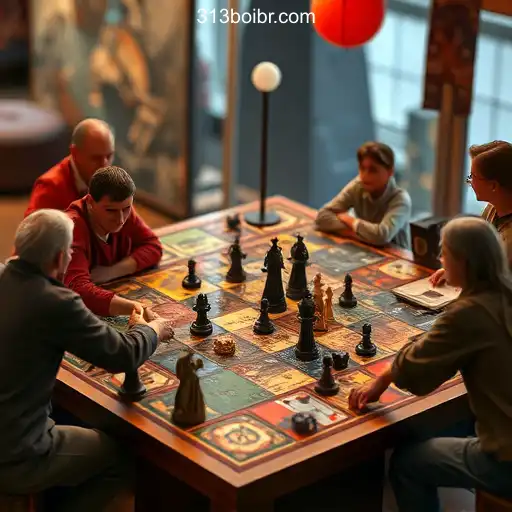
One key reason for the resurgence of tabletop games is their social nature. Unlike digital games, tabletop games encourage face-to-face interactions and foster a sense of community. Friends and family gather around a table, strategizing, laughing, and competing in a shared experience.
The tactile aspect of tabletop games also contributes to their appeal. Players engage with game components, such as cards, dice, and miniatures, allowing for a more hands-on experience. This tangibility is especially appealing in an increasingly digital world.
Tabletop games also appeal to those who enjoy strategic thinking and problem-solving. Many games require players to think several moves ahead, consider probabilities, and adapt to the actions of their opponents. This mental challenge can be incredibly satisfying and rewarding, offering opportunities for personal growth and learning.
Tabletop Gaming Community and Culture
The tabletop gaming community is vibrant and diverse, characterized by a range of interests and skill levels. Hobby shops and community centers often host game nights, tournaments, and role-playing sessions, providing enthusiasts with a space to connect and share their passion for games.
Additionally, conventions such as Gen Con or PAX bring together thousands of fans, offering a chance to discover new games, meet creators, and participate in panels and events. These gatherings highlight the welcoming and inclusive nature of the tabletop gaming community.
In Brazil, the gaming culture is also thriving. Platforms like 313boi A Plataforma de Apostas #1 do Brasil 313 boi 🏅 are emerging, blending the traditional with the innovative. Such platforms not only offer a space for serious competitors but also introduce newbies to the expansive world of tabletop gaming.
In conclusion, tabletop games continue to captivate audiences by offering a blend of social interaction, strategic challenge, and cultural significance. Their continued evolution ensures that there is something for everyone, keeping the tradition of tabletop gaming alive and flourishing around the world.